

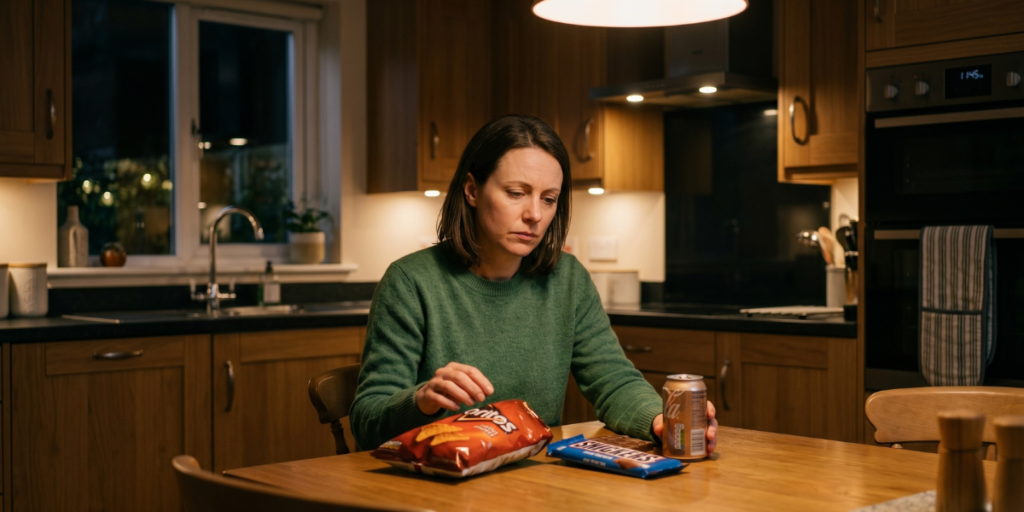
Many people struggle with eating habits that become difficult to control at night. Late-night cravings, emotional hunger, and stress eating are common issues that affect both physical and mental health. If you are searching for how to stop overeating at night, you are not alone.
Nighttime overeating is often linked to emotional triggers, poor sleep habits, and imbalanced eating patterns during the day. The good news is that with the right strategies, it can be managed effectively.
In this guide, we will explore how to stop overeating at night, its causes, symptoms, and practical solutions to build healthier habits.
Why Do People Overeat at Night?
Understanding the cause is the first step in learning how to stop overeating at night.
Common Reasons:
1. Emotional Eating
Stress, anxiety, and boredom often trigger nighttime eating.
2. Skipping Meals During the Day
Not eating enough earlier leads to strong hunger at night.
3. Habitual Behavior
Eating while watching TV or scrolling on the phone becomes routine.
4. Hormonal Changes
Hunger hormones may increase in the evening.
Emotional Triggers Behind Night Eating
Many people do not realize that nighttime overeating is often emotional rather than physical.
Common Emotional Triggers:
- Stress
- Loneliness
- Anxiety
- Fatigue
- Overthinking
Addressing emotions is key to learning how to stop overeating at night.
Effects of Overeating at Night
Night eating can affect overall health in several ways:
Physical Effects:
- Weight gain
- Poor digestion
- Sleep disturbance
- Acid reflux
Mental Effects:
- Guilt after eating
- Reduced self-control
- Low energy
How to Stop Overeating at Night (Effective Strategies)
Now let’s focus on practical solutions.
1. Eat Balanced Meals During the Day
Skipping meals leads to intense hunger at night.
Tips:
- Eat protein-rich meals
- Include fiber and healthy fats
- Avoid long gaps between meals
2. Identify Emotional Triggers
Ask yourself:
- Am I really hungry?
- Or am I stressed or bored?
This awareness is essential for how to stop overeating at night.
3. Create a Night Routine
A structured routine reduces impulsive eating.
Include:
- Relaxation activities
- Reading
- Light stretching
4. Avoid Trigger Foods at Home
If junk food is easily available, overeating becomes more likely.
5. Drink Water Before Eating
Sometimes thirst is mistaken for hunger.
6. Improve Sleep Schedule
Poor sleep increases cravings.
Good habits:
- Fixed bedtime
- No screens before sleep
7. Practice Mindful Eating
Slow down and focus on food when you eat.
8. Manage Stress Effectively
Stress is a major cause of night eating.
Helpful methods:
- Meditation
- Deep breathing
- Therapy
Psychological Support for Night Eating
If overeating is linked to emotional distress, therapy can help.
Therapy Benefits:
- Reduces emotional eating
- Improves self-control
- Builds healthier coping skills
Healthy vs Unhealthy Night Habits
| Healthy Habits | Unhealthy Habits |
|---|---|
| Early dinner | Skipping meals |
| Hydration | Late-night junk food |
| Relaxation routine | Eating while stressed |
| Good sleep schedule | Irregular sleep |
When to Seek Help
You should consider professional help if:
- Night eating happens frequently
- You feel loss of control
- It affects your health or weight
- Emotional distress is involved
Conclusion
Learning how to stop overeating at night requires understanding both physical and emotional triggers. It is not just about willpower but about building healthy routines, managing stress, and improving eating habits throughout the day.
With consistent effort and self-awareness, nighttime overeating can be controlled, leading to better health and improved well-being.


